Farmer’s Markets in Alberta
August 30, 2025, 10:22 pm
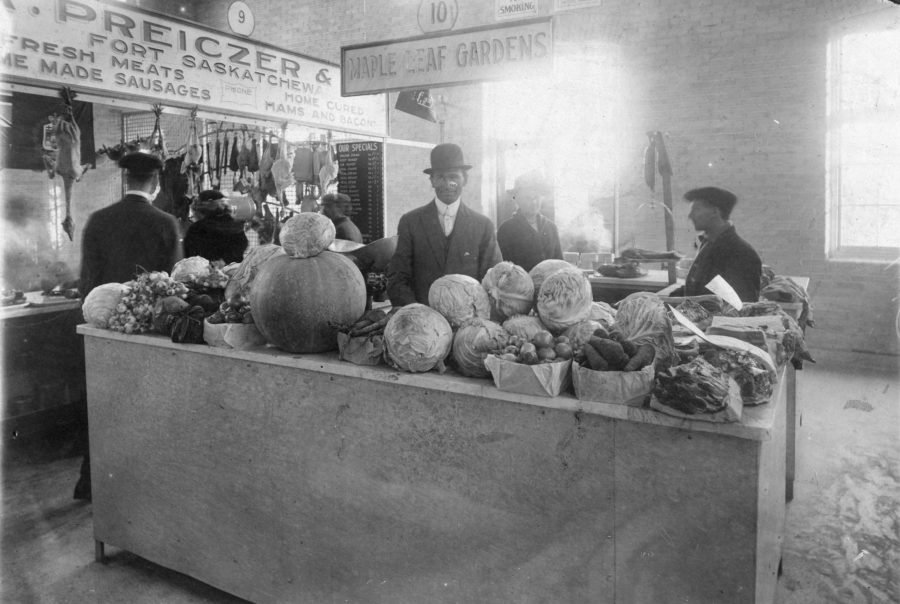
Farmer's markets in Alberta go way back. Discover the history of these unique marketplaces and see what they are up to today. Also, check out a list of 25 markets that are currently registered in Alberta.
Some History
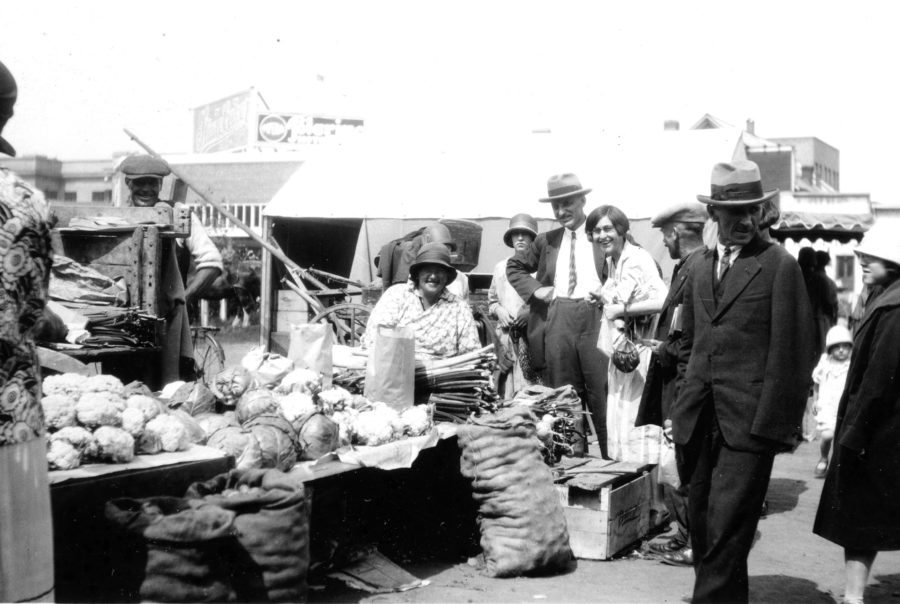
It’s actually kind of difficult to track down the first publicly recognized instance of a farmer’s market in Alberta. Part of the problem is that people have been going to “farmer’s markets” for thousands of years. As far as we know, since the dawn of the agricultural revolution, farmer’s have been growing their product, hoofing it to town and then selling it. So, it can be a hard term to define.
The earliest documented farmer’s market in Alberta was the Rice Street Market in Edmonton, Alberta. Dubbed so because its southern boundary was marked by Rice Street (today’s 101A Avenue). By 1903, it was formally referred to as the Edmonton Public Market and offered a wide range of goods. From live animals and fresh produce to home-distilled liquors and snake oil remedies. Another common product sold in markets back then was hay. Back then, hay was as important as gasoline, powering the dominant form of transportation (the horse).
Between 1900 – 1920, most cities in Alberta with a railway running through it had a publicly recognized or official farmer’s market. Early markets made it through both World Wars and the Great Depression only to be relatively out competed by the rise of the supermarket. By the 1960’s, supermarkets had nearly wiped out the farmers market, offering convenience and a global food supply-chain. Then in the 1970’s, the local market saw a revival in the counterculture movement and a shift back to locally grown products (yes, thank the hippies). The Alberta’s Farmers’ Market Program debuted in 1973, featuring it’s “Make It, Bake It, Grow It” Rule which requires 80% of products to be produced in Alberta. The Sunnygirl logo was introduced in 1974, an official symbol of approved Alberta farmer’s markets.
Let’s Talk Numbers
In 2024, these markets saw over 4.6 million visitors with the average customer spending more than $70 per visit. A clear indication of how fond Albertans are of their local farmer’s market. From the mid 2000’s to 2016, sales from markets grew from tens of millions to roughly $924.5 million in 2016 according to a consumer report study. Roadside sales added another $303.7 million. Between 2004 – 2012, spending surged from $35 to $55 per customer visit to a farmers’ market, easily outpacing inflation.
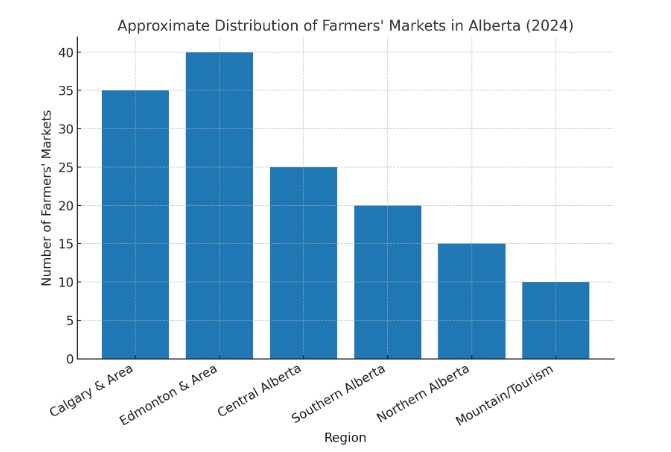
The distribution of markets in Alberta follows the concentration of urban centers, with most markets establishing themselves in Calgary and Edmonton. The demand for local products in urban populations is very clear.
The Modern Farmer’s Market
Today there are over 145 approved markets across 115 communities with 24 operated year-round. Vendors offer an incredibly diverse range of goods and it’s probably easier to list the things that aren’t sold at farmer’s markets. The largest outdoor market is the St. Albert Farmers’ Market which is open Saturdays, May – October. Old Strathcona Farmers’ Market (Edmonton) and Crossroads Market (Calgary) operate year-round, offering indoor and outdoor spaces. The modern-day vendor has also come along way. They offer different payment methods, boast heavy social media presences and deliver high-quality, authentic products. The modern farmer’s market has become a place where local entrepreneurship, sustainability and the local economy are really showcased.
20 Farmer’s Markets in Alberta
1. Old Strathcona Farmers’ Market — Edmonton
2. Calgary Farmers’ Market South — Calgary
3. Calgary Farmers’ Market West — Calgary
4. St. Albert Farmers’ Market — St. Albert
5. Edmonton Downtown Farmers’ Market — Edmonton
6. Red Deer Public Market — Red Deer
7. Airdrie Farmers’ Market — Airdrie
8. Camrose Saturday Farmers’ Market — Camrose
9. Lethbridge Exhibition Park Farmers’ Market — Lethbridge
10. Medicine Hat Farmers’ Market — Medicine Hat
11. Spruce Grove Farmers’ Market — Spruce Grove
12. Fort McMurray Urban Market — Fort McMurray
13. Grande Prairie Farmers’ Market — Grande Prairie
14. Sylvan Lake Farmers’ Market — Sylvan Lake
15. Okotoks Farmers’ Market — Okotoks
16. Banff Farmers’ Market — Banff
17. Canmore Mountain Market — Canmore
18. Cochrane Farmers’ Market — Cochrane
19. Jasper Farmers’ Market — Jasper
20. Lacombe Farmers’ Market — Lacombe
×
Right on!